Advertising at events and public gatherings has its challenges, but moving billboards offer a standout solution. These mobile ads grab attention, deliver targeted messages right where the action is, and seamlessly blend with high-energy settings. Perfect for conferences, festivals, or sports events, they keep your brand in motion—literally. In this post, we’ll explore why they work so well and how you can use them to maximize your reach and engagement.
Moving billboards, also known as mobile billboards, are one of the most eye-catching ways to advertise. By turning vehicles into advertising platforms, they take your marketing message straight to your audience—right where they live, work, and play. Whether you’re promoting an event or a product, these mobile ads ensure your message is not stuck in one location but is constantly in motion and exposed to a dynamic audience.
A mobile billboard is an advertising display mounted on a moving vehicle, such as a truck, trailer, or even a bus. Think of it as a traditional billboard with a twist—it’s mobile and can navigate through high-traffic areas to grab attention. These billboards are often used in crowded city streets, near event venues, or even at public gatherings. Their primary purpose is to reach a wider range of people while leaving a memorable impression.
Why do they work so well? People tend to notice things that interrupt their usual routine. A brightly designed truck cruising down the street naturally draws eyes. This creates a high-impact advertising method that stands out, even in saturated media environments.
Mobile billboards come in a variety of formats:
Each type fulfills a unique purpose, giving businesses flexibility depending on their campaign goals and the kind of audience they want to reach.

There are two main types of mobile billboards: traditional static designs and digital displays. Each has strengths and trade-offs, making them suitable for different kinds of campaigns.
Both formats are effective but serve different needs. Digital mobile billboards are perfect for complex or evolving campaigns, such as announcements for live events. Meanwhile, traditional setups work wonderfully for long-term exposure with consistent branding.
Static advertising, like posters or stationary billboards, can be effective. But moving billboards have unique advantages that make them a go-to option for reaching a bustling audience:
Mobile billboards are especially effective at events where large, diverse crowds gather. Their ability to strategically cruise event venues and engage onlookers ensures your brand doesn’t get lost in the crowd.
Targeting events with moving billboards unlocks a world of advertising opportunities. From catching attention in high-traffic zones to driving on-site promotions and continuing engagement after the event, this method ensures your brand stays in the spotlight. Here’s how moving billboards can supercharge your event marketing strategy.
Events and public gatherings are magnets for large, diverse crowds. Moving billboards excel in these environments by making your brand unmissable. Unlike stationary ads, they navigate through high-traffic areas like intersections, highways, and event entrances, ensuring your message reaches attendees before they even step foot inside.
Think about it—who wouldn’t notice a well-lit, bold advertisement cruising past as they wait in line or sit in traffic? By positioning your ads strategically, you’re essentially becoming part of the pre-event buzz:
This mobility ensures high visibility where it matters most—right in the middle of the action.

Want your event to sell out or create community buzz? Start attracting attention before it even begins by using moving billboards as a hype machine. A little anticipation can go a long way, and mobile ads deliver it perfectly by creating visibility and curiosity.
Here are a few tactics that work wonders:
These strategies make onlookers feel like something exciting is coming their way—something they won’t want to miss.
The day of the event is when moving billboards shine brightest. They’re more than just eye candy; they’re active participants in the event experience. By dynamically interacting with crowds, they bridge the gap between your brand and potential customers in real time.
Here’s how businesses use them to their advantage:
Imagine a mobile ad announcing, “20% off all merchandise for the next hour! Visit Booth A12 now!” It’s an instant call-to-action attendees can’t ignore.
What happens when the event ends? For many brands, a potential audience walks away without follow-up—but this doesn’t have to be you. Moving billboards help extend your campaign, keeping your brand top of mind long after the crowd disperses.
Here’s how you can use them post-event:
This continuity turns a one-time interaction into an ongoing conversation, giving your investment lasting value.
Moving billboards provide a unique opportunity to capture audience attention, even in the busiest environments. However, not all campaigns are created equal. To make a lasting impression, it’s essential to combine thoughtful design, engaging messaging, and interactive elements that connect with viewers. This section will provide actionable advice to help you craft moving billboard campaigns that not only stand out but also convert.
Visual impact is everything for moving billboards—viewers only have a few seconds to notice and process your ad as it drives by. To grab attention and maintain brand recognition, your design needs to do the heavy lifting.
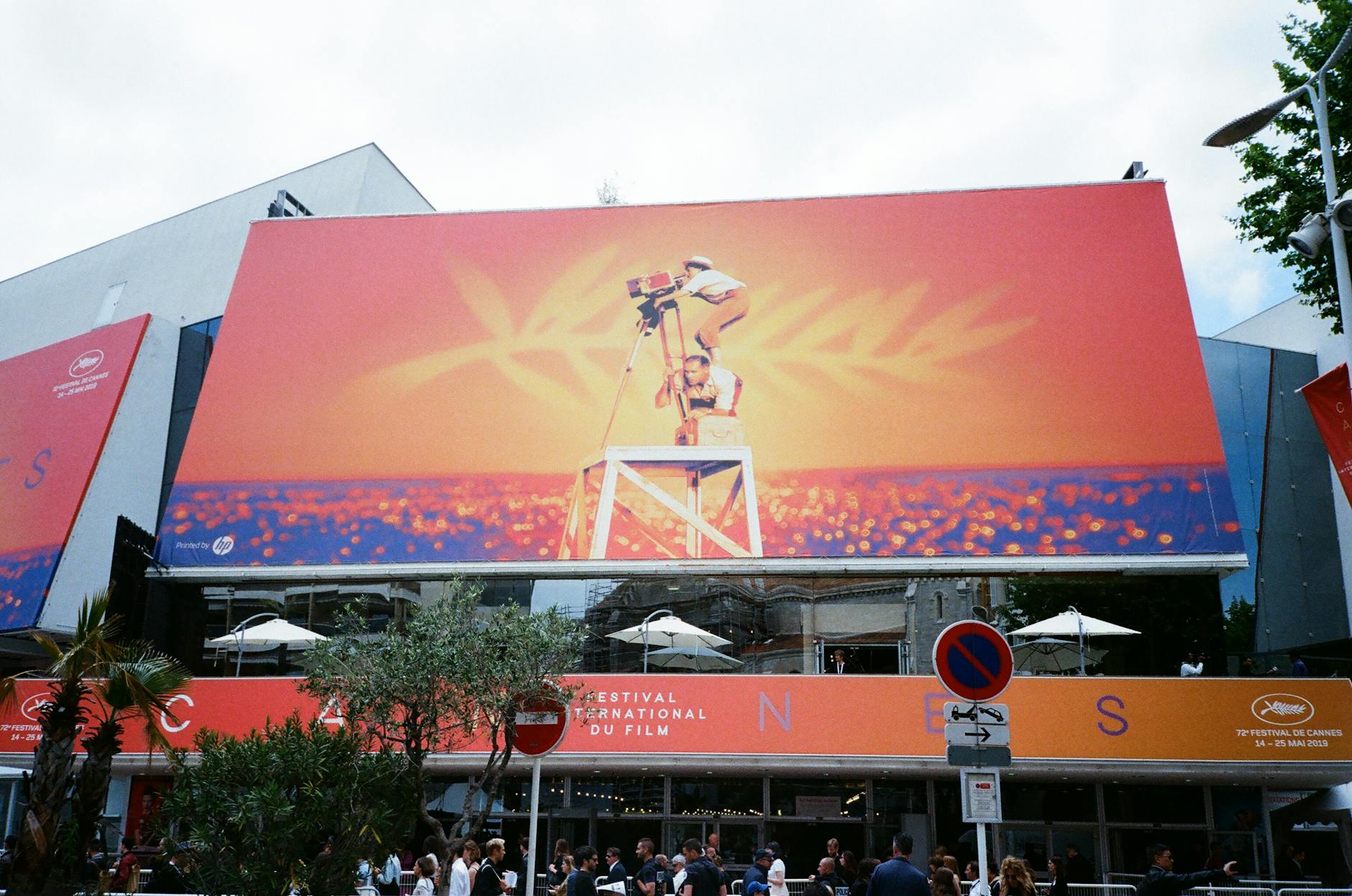
Smart designs on moving billboards don’t just stand out—they act as mini brand ambassadors cruising through high-traffic areas.
When it comes to moving billboards, less is definitely more. You have just a handful of seconds to get your point across, so your message needs to work at a glance.
Think of your messaging as a headline—it should immediately capture attention and drive curiosity. Longer descriptions and additional details belong on your website or follow-up materials.
Incorporating interactive features is key to making your moving billboard more than just a passive visual—it’s a way to actively engage your audience. With advances in technology and social media, you can now connect physical advertising with digital engagement seamlessly.
Interactive elements amplify your campaign’s reach, pulling it from the physical world into digital spaces where engagement often translates to conversions. They also help build a lasting impression, as people are more likely to remember engaging with your ad versus simply watching it pass by.
By combining eye-catching visuals, powerful messaging, and interactive touches, you can create moving billboard campaigns that captivate your audience and compel them to act.
Planning where, when, and how a moving billboard campaign interacts with events requires precision. It’s not just about rolling up and displaying ads; it’s about crafting strategies that align with audience movement, event schedules, and demographic insight. Let’s break this down.
Crafting the right route is as much art as science. To maximize exposure, start by understanding traffic patterns in the event’s local area. This could mean analyzing peak commute times or identifying high-traffic zones near entrances, parking lots, or transit hubs. Tools like Google Maps or traffic monitoring apps can provide an up-to-date view of bottlenecks and busy streets.
Think beyond just movement—consider audience demographics. A family-friendly fair might call for routes near schools and parks, while a music festival would benefit from canvasing downtown or nightlife districts. This approach allows you to place your ad in areas your target audience is most likely to frequent.
Key tips for route optimization:

With mobile billboards, timing holds tremendous power. Aim to synchronize your campaign with the peaks of event activity. For instance:
Think of these timings as prime real estate. Choosing the right moment can increase the odds of your message being seen, absorbed, and even remembered.
Try asking yourself: When are people most likely to notice and engage? At food trucks? In line for tickets? On the drive home? Build your timing strategy around these points.
Different events pull in different types of crowds, and tailoring your ad to fit those demographics is crucial. Imagine the difference in tone and message between a fashion runway show and a county fair. The audience isn’t just different; their expectations and interests vary too.
Here’s how you can approach specific demographics:
Tailoring doesn’t stop at visuals—your messaging also has to connect. A tech conference might appreciate QR codes leading to product launches, while sporting events may respond better to calls-to-action like “Secure Your Gear Now!”
By recognizing the connection between location, timing, and audience demographics, you can create campaigns that aren’t just seen, but are remembered.
Moving billboards are becoming a popular choice for businesses aiming to amplify their message without breaking the bank. These mobile advertisements combine flexibility with high visibility, making them a smart investment for localized campaigns. But how do their costs and returns stack up against other advertising methods, and how can we effectively measure their success? Let’s explore.
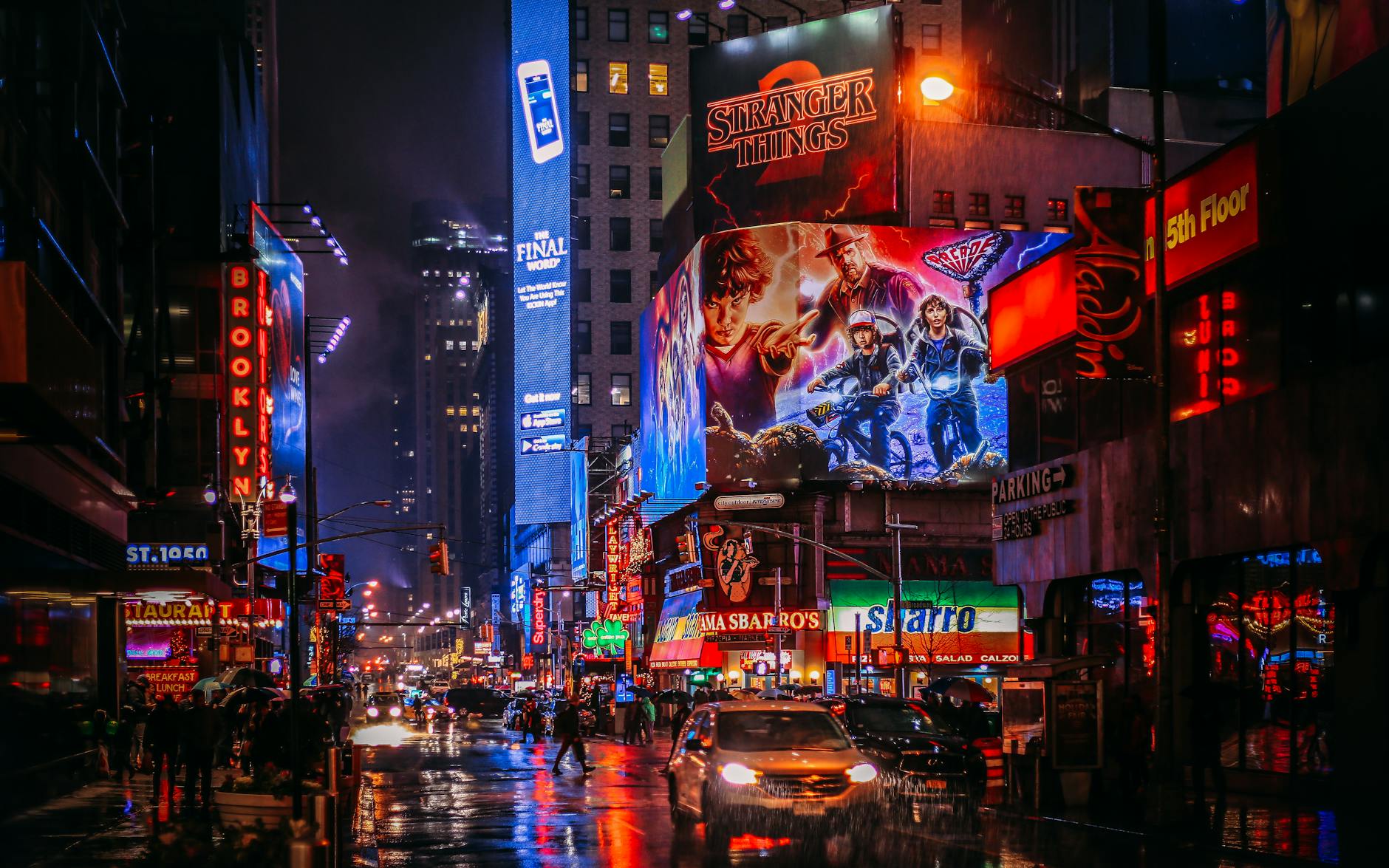
When compared to traditional advertising platforms like television, radio, or static billboards, moving billboards stand out as a cost-effective alternative. Here’s why:
Still weighing your options? Think of moving billboards as the hybrid between outdoor and digital marketing that targets audiences more directly, without inflating costs unnecessarily.
The beauty of modern advertising is the ability to measure your campaign’s effectiveness. For moving billboards, there are plenty of methods to track metrics like reach, engagement, and conversions:
Thanks to mobile location data and geofencing, advertisers can gain deeper insights into how moving billboards drive foot traffic:
Not sure how to attribute success to a moving billboard campaign? Keep a close eye on sales before, during, and after the ad run. Often, spikes in revenue or customer interest can directly be tied back to your campaign’s timing and locations.
Incorporating measurable elements in your design—from call-to-actions to interactive features—makes tracking results more straightforward. By leveraging data-backed tools like Google Analytics or integrated CRM platforms, businesses can fine-tune their advertising for even better ROI next time around.
Moving billboards are a dynamic and cost-effective way to connect with event audiences in real time. Their mobility, high visibility, and flexibility make them a standout option for creating buzz, engaging attendees, and delivering strong calls to action. Whether you’re building pre-event excitement, providing on-the-spot promotions, or driving post-event engagement, these advertisements keep your brand front and center.
If you’re looking for an advertising method that adapts to your audience and delivers measurable impact, moving billboards should be on your radar. Consider them for your next campaign to ensure your message reaches the right people at the right moment. What event could your business target next?